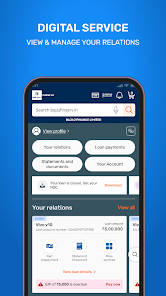
Applying for a loan through a mobile application has become a common practice today. A loan app allows users to access funds without visiting a physical branch, making the process faster and more accessible. Many people rely on a quick loan during emergencies, while others use digital platforms to compare options using a personal loan calculator before applying.
However, convenience does not always guarantee correctness. Many users make avoidable mistakes while applying for loans through apps, which later leads to financial stress, rejection, or repayment difficulties. Understanding these mistakes in advance can help borrowers make better decisions and use loan apps responsibly.
This article explains the most common mistakes users make while applying on a loan app and provides practical guidance on how to avoid them.
Understanding How Loan Apps Work
Loan apps are digital platforms that collect user information, assess eligibility, and provide loan offers based on predefined criteria. Most applications ask for income details, employment status, credit history, and bank information.
Many users assume that applying through an app guarantees approval, especially when they need a quick loan. This assumption often leads to careless decisions during the application process.
Common Mistakes While Applying on a Loan App
1. Not Checking Eligibility Before Applying
One of the most frequent mistakes users make is applying without checking eligibility criteria. Every loan app has minimum requirements related to income, age, employment type, and credit score.
Applying without meeting these criteria increases the chances of rejection, which can negatively impact future loan applications. Users should review eligibility guidelines carefully before proceeding.
2. Ignoring Credit Score Impact
Many borrowers underestimate the importance of their credit score. A low score can result in higher interest rates or outright rejection.
Some users apply on multiple loan apps simultaneously hoping for faster approval. This behavior can reduce creditworthiness, as multiple applications may be recorded as credit inquiries.
3. Borrowing Without Assessing Repayment Capacity
Borrowing more than what one can repay comfortably is a common mistake. Loan apps often show attractive loan amounts, but users should evaluate their monthly obligations carefully.
Using a personal loan calculator helps estimate monthly repayments and total interest. Ignoring this step can lead to missed payments and long-term financial strain.
4. Overlooking Interest Rates and Charges
Many users focus only on the loan amount and approval speed, ignoring interest rates and additional charges.
Common costs that are often overlooked include:
- Processing fees
- Late payment penalties
- Prepayment charges
- Documentation costs
Failing to review these details can significantly increase the overall cost of borrowing.
5. Not Reading Terms and Conditions Carefully
Terms and conditions define repayment schedules, penalties, and borrower responsibilities. Skipping this section is a serious mistake.
Some users later discover unexpected deductions or strict repayment rules because they did not read the agreement thoroughly before accepting the loan.
6. Choosing Speed Over Suitability
When users urgently need funds, they often choose the fastest option available. While a quick loan can solve immediate problems, speed should not be the only factor.
Selecting a loan without comparing tenure, repayment flexibility, and interest structure can lead to regret later.
7. Providing Incorrect or Incomplete Information
Entering incorrect income details, employment information, or bank data can delay approval or result in rejection.
Inaccurate data may also raise trust concerns during verification. Users should ensure all information entered is accurate and consistent with official records.
8. Applying for Multiple Loans at the Same Time
Some users apply on several loan apps simultaneously to increase approval chances. This approach often backfires.
Multiple active applications may indicate financial instability, which reduces lender confidence and affects credit health.
9. Not Planning Loan Usage Clearly
Taking a loan without a clear purpose often leads to unnecessary spending. Loan apps make borrowing easy, but that ease should not replace financial planning.
Users should define how the loan amount will be used and ensure it aligns with actual needs rather than temporary desires.
10. Ignoring Repayment Timelines
Many borrowers focus on receiving funds but ignore repayment schedules. Missing due dates can result in penalties and long-term credit damage.
Setting reminders and aligning repayment dates with income cycles helps avoid missed payments.
How to Apply for a Loan App Responsibly
Best Practices to Follow
- Check eligibility before applying
- Review credit score status
- Use a personal loan calculator to plan repayments
- Compare interest rates and total cost
- Read terms and conditions carefully
- Apply only when necessary
These steps help users avoid common mistakes and borrow responsibly.
Importance of Financial Awareness While Using Loan Apps
Loan apps provide easy access to funds, but they require disciplined usage. Financial awareness ensures that borrowing remains a solution, not a problem.
Users who understand loan structures, repayment responsibilities, and cost implications are better equipped to manage their finances effectively.
Conclusion
Applying for a loan app can be a convenient financial solution when done thoughtfully. While a quick loan can help during emergencies, careless decisions can lead to long-term financial difficulties. Using tools like a personal loan calculator allows borrowers to understand repayment obligations before committing.
Avoiding common mistakes such as ignoring eligibility, overlooking charges, or borrowing beyond capacity ensures a safer borrowing experience. When users approach loan apps with proper planning and awareness, they can use digital lending as a reliable financial support rather than a burden.